

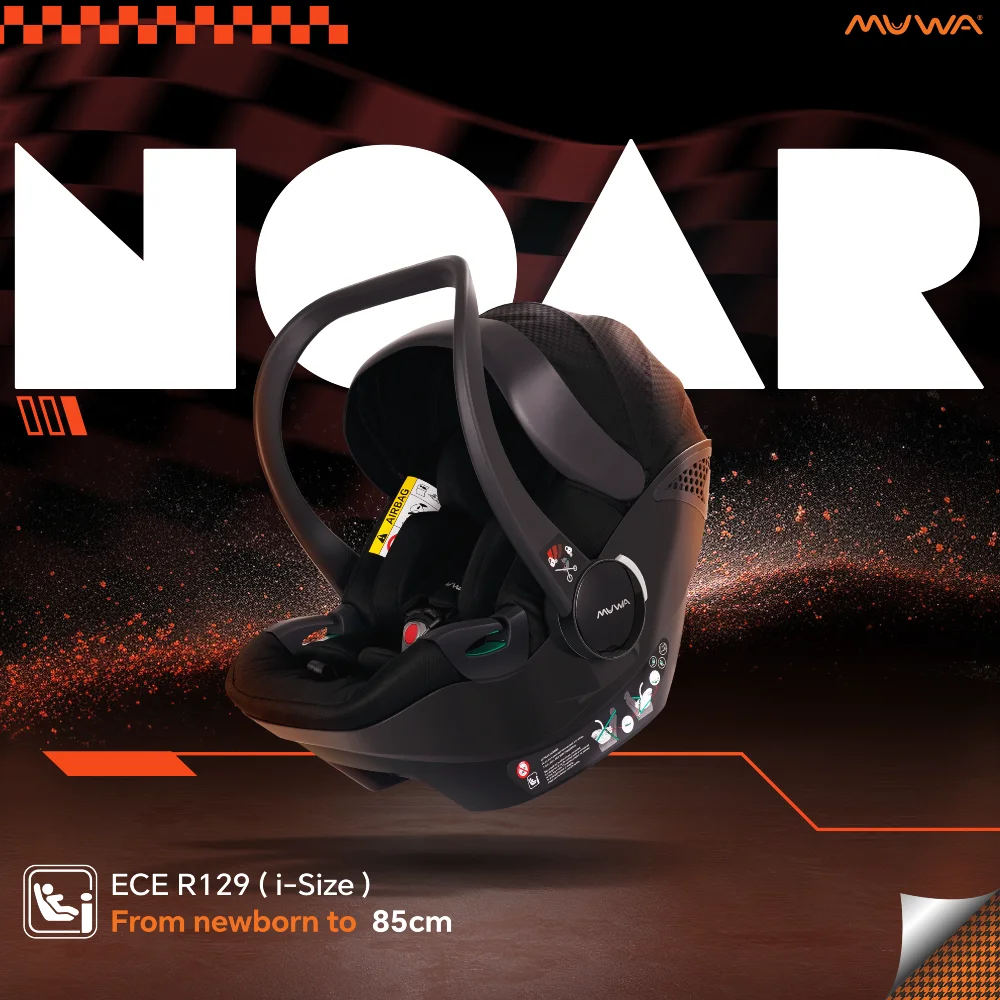


Baby car seat safety becomes even more important on long road trips. Use these essential tips to help keep your baby protected and comfortable.
Baby car seat safety should always be a top priority when planning long road trips with an infant. Extended driving hours, traffic delays, and frequent stops can increase the risk of discomfort or injury if a car seat is not used properly.
When preparing for long trips with a baby, many parents also review which baby products truly support safety and comfort, especially when choosing gear that will be used for extended periods.
Whether you are heading out of town for a holiday or returning to your hometown, understanding how to maintain baby car seat safety throughout the journey can help parents travel with greater confidence and peace of mind.
The Importance of Baby Car Seat Safety on Long Drives
During long-distance travel, babies spend more time seated than usual. This makes correct car seat setup and positioning especially important. A properly fitted car seat helps support the baby’s developing spine while reducing stress on the head and neck during sudden braking or uneven road conditions.
Child passenger safety organizations consistently highlight that correct car seat use can greatly reduce the risk of serious injury during road accidents, especially during longer journeys.
Getting the Installation Right Before You Drive
Even a high-quality car seat cannot protect a baby if it is installed incorrectly. Small errors during setup can reduce its effectiveness in the event of a collision.
Before starting your journey, parents should:
- Secure the car seat tightly so it does not shift easily
- Follow the manufacturer’s instructions step by step
- Check that the seat is appropriate for the baby’s current size and age
- Adjust the recline angle to suit infants, especially newborns
Proper installation is the foundation of baby car seat safety and should always be checked before long trips.
Managing Breaks on Extended Road Trips
Long stretches without breaks can be uncomfortable for babies and parents alike. Remaining in a car seat for too long may affect posture and circulation.
During longer breaks, having a comfortable baby carrier can make it easier to hold and soothe your baby while giving them a break from the car seat.
For safer and more comfortable travel:
- Schedule stops every two to three hours
- Remove the baby from the car seat during breaks
- Use rest stops for feeding, diaper changes, and gentle movement
- Recheck harness tightness and positioning before resuming the drive
These breaks help maintain comfort while supporting overall baby car seat safety.
Correct Positioning Makes a Big Difference
Ensuring your baby is positioned correctly in the car seat allows safety features to function as intended.
Parents should confirm that:
- Harness straps are snug and free of twists
- The chest clip sits at armpit level
- The baby’s head, neck, and spine are well supported
- Bulky clothing is not placed between the baby and the harness
Attention to these details is essential for maintaining proper baby car seat safety during travel.
Monitoring Sleep Safety on the Road
It is natural for babies to fall asleep during car journeys, but sleep posture should be monitored carefully.
Road safety and pediatric guidance recommend paying close attention to a baby’s head and neck position to reduce breathing risks while seated.
To support safe sleep:
- Use the correct recline angle for your baby’s age
- Ensure the chin does not fall forward toward the chest
- Keep the harness fastened securely at all times
- Avoid letting babies sleep in car seats outside the vehicle for long periods
Good sleep posture helps preserve baby car seat safety throughout the journey.
A Final Note on Baby Car Seat Safety
Long road trips do not have to be stressful or unsafe. With proper preparation, correct installation, regular breaks, and careful attention to positioning and sleep, parents can significantly improve baby car seat safety while traveling.
Before your next journey, take a moment to review these safety tips. Simple checks before and during the drive can go a long way in keeping your baby protected and comfortable on the road.


